✦ COUNTDOWN TO APRIL 6, 2027 ✦
“Benedetto sia ‘l giorno, et ‘l mese, et l’anno, / et la stagione, e’l tempo, et l’ora, e ‘l punto…” — Rvf 61
“Benedetto sia ‘l giorno, et ‘l mese, et l’anno, / et la stagione, e’l tempo, et l’ora, e ‘l punto…” — Rvf 61
Shelf Love
“quant’io parlo d’Amore, et quant’io scrivo” (Rvf.151.14).
“all that I speak of Love, and all that I write” (Kline).
Shelf Love
“quant’io parlo d’Amore, et quant’io scrivo” (Rvf.151.14).
“all that I speak of Love, and all that I write” (Kline).
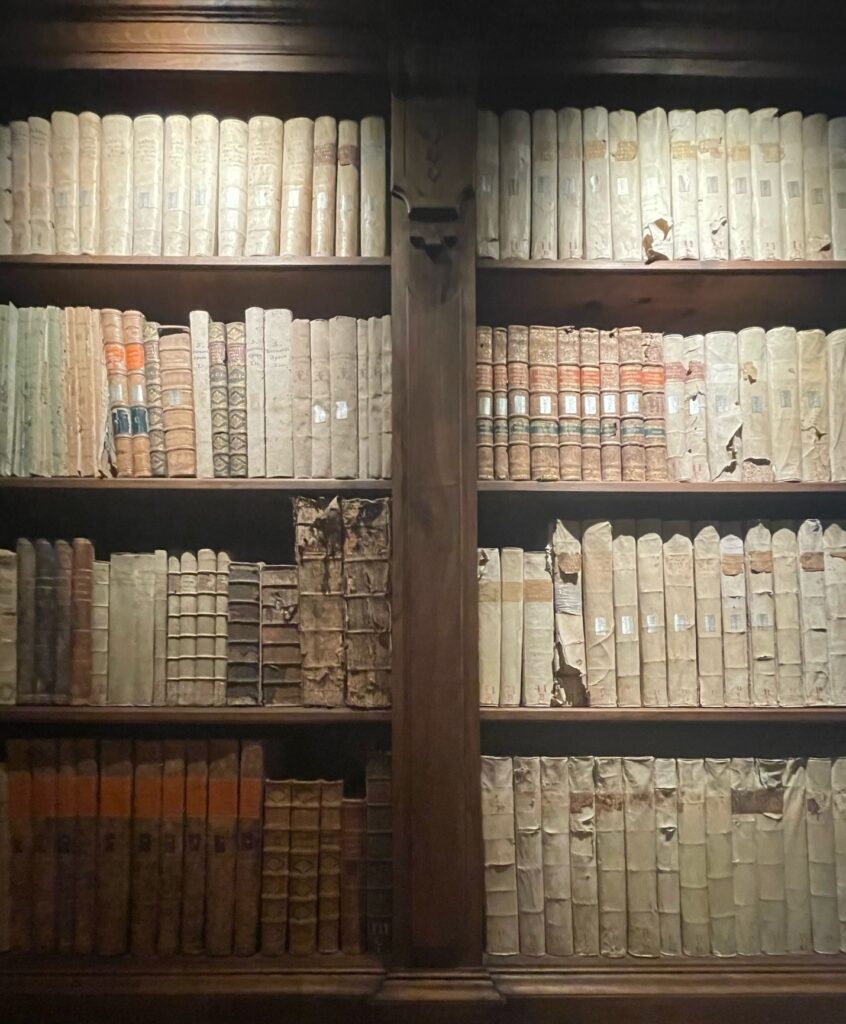
Old Friends at the Biblioteca capitolare, Verona; taken on an Archival Trip
Reviews & Favorite Recommendations
"chi per prova intenda amore"
— Rvf 1
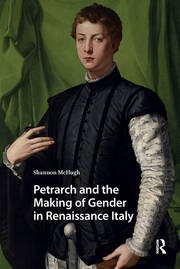
Petrarch and the Making of Gender in Renaissance Italy
Focusing especially on Petrarchism, and instances of lyric innovation, poetic (re)negotiation, and moments of sociocultural resistance, my lovely colleague, dear friend, and the Huntington Library’s Assistant Director of Research Shannon McHugh’s wonderful 2023 Petrarch and the Making of Gender in Renaissance Italy is another riveting contribution that carefully parses the entwined story of lyric poetry and gender from the Renaissance onwards.
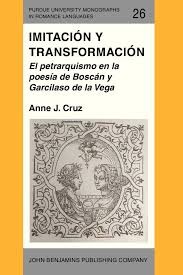
Imitacion y transformación : el petrarquismo en la poesía de Boscán y Garcilaso de la Vega
One of the most preeminent scholars working on Petrarchism in Spain (and one of the most delightful writers), Anne J. Cruz’s Imitación y transformación: el petrarquismo en la poesía de Boscán y Garcilaso de la Vega offers a meticulous, elegant and exciting overview of the phenomenon of literary imitation as it moved from Italy to Spain.
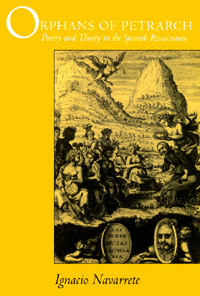
Orphans of Petrarch: Poetry and Theory in the Spanish Renaissance
Ignacio Navarrete’s wonderfully titled Orphans of Petrarch: Poetry and Theory in the Spanish Renaissance (published in 1994 by the U of California Press) is matched by the equally wonderful material his monograph contains. Discussing Boscan, Garcilaso Herrera, Góngora, and Quevedo, his book provides a cogently-situated broad perspective on Spanish Petrarchism during the 16th and 17th centuries.
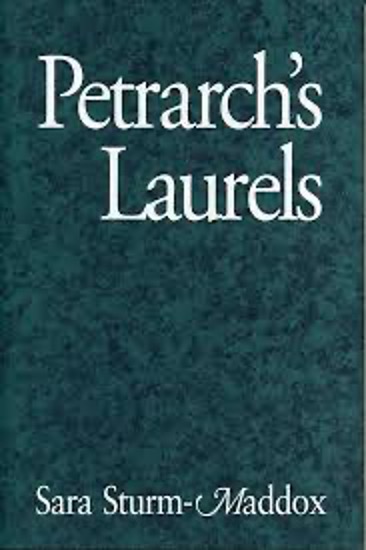
Petrarch’s Laurels
Sara Sturm-Maddox’s Petrarch’s Laurels (Penn State, 1992) is another excellent book. It offers another broad, comprehensive, and ultimately comparative view of Petrarch’s lasting literary resonance(s), after first situating him at the helm of the premodern mythmaking authorial ethos, so bent on establishing a personal authorial/poetic identity and name for oneself.
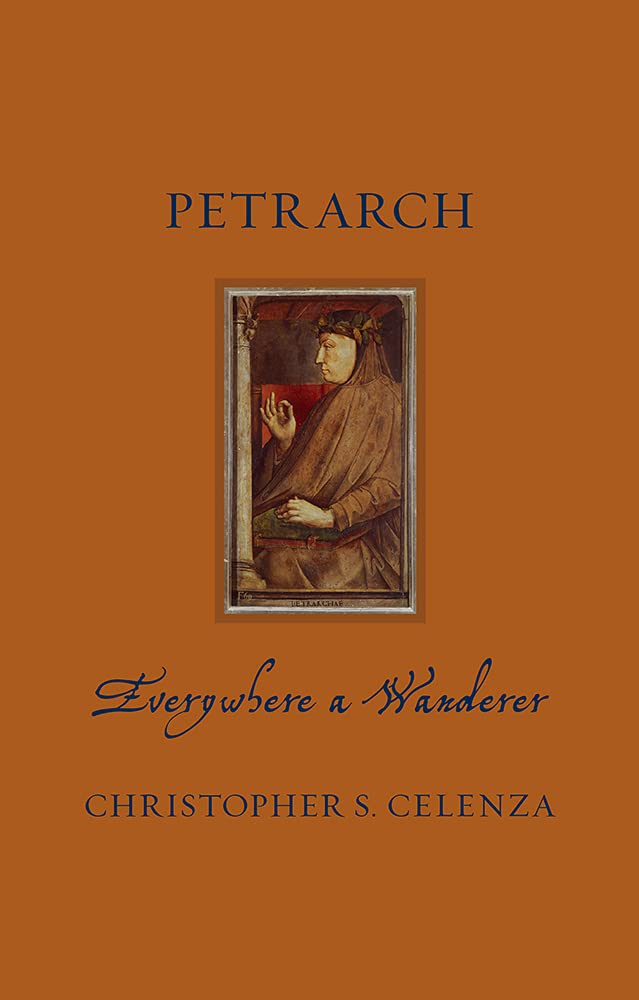
Petrarch: Everywhere a Wanderer
Christopher S. Celenza (2017)
A luminous biography and intellectual history that traces Petrarch’s restless life and enduring influence. Essential reading for understanding the man behind the sonnets.
Favorite Originals & Translations
"del dolce mio mal prima radice" — Rvf 321
Il Canzoniere (Contini edition)
The standard critical edition of Petrarch’s Italian poems. Indispensable for scholars and serious readers.
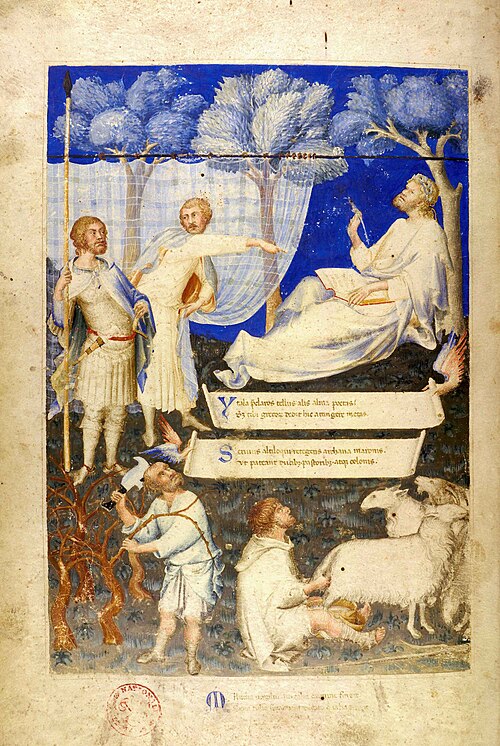
Ambrosian Virgil (Digitized)
Petrarch’s own annotated copy — the flyleaf where he recorded Laura’s death. Seen on my archival trip in 2023.
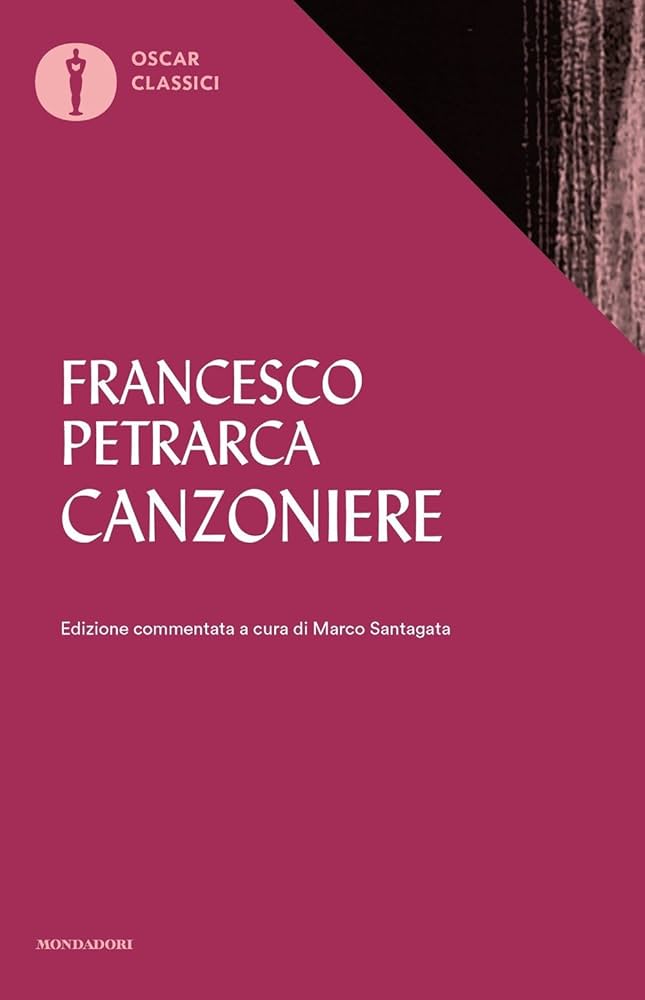
Francesco Petrarca: Canzoniere (Santagata edition)
Francesco Petrarca
This is an exciting and magisterial edition of the Canzoniere, replete with careful and detailed notes and helpful contextual apparatus. It is the 2004 revision of Santagata’s wonderful 1996 edition.
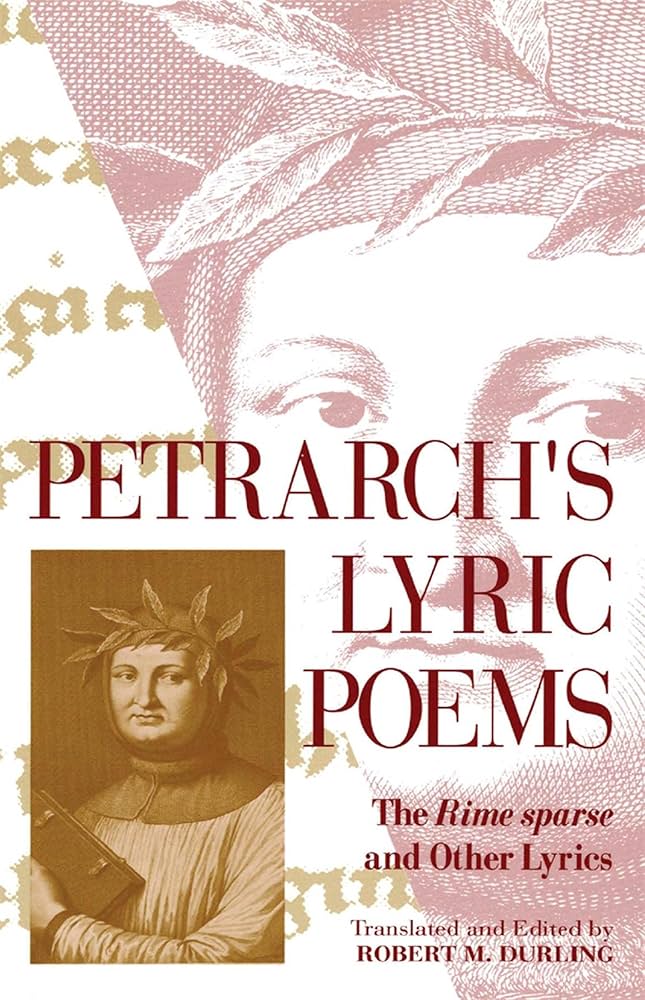
Petrarch's Lyric Poems: The Rime Sparse and Other Lyrics
The Rime Sparse
In my opinion, Durling’s is the best translation of Petrarch’s vernacular poetry, and by far. Importantly, it is *not* a translation in verse, and it is a side-by-side rendition, which works very well in terms of accuracy and style. It also makes it especially nice for teaching purposes, and is a great way to introduce some of the original Italian into English-language classes.
Personal & Things
of Note
"Sotto un gran sasso / in una chiusa valle" — Rvf 135
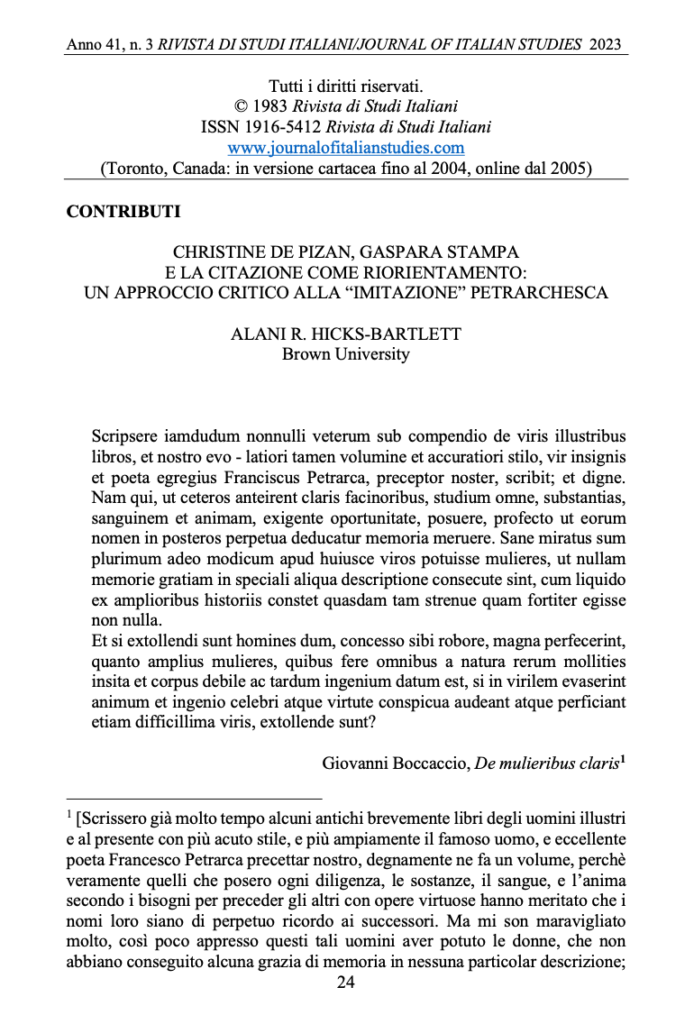
Christine de Pizan, Gaspara Stampa e la citazione come riorientamento: un approccio critico alla “imitazione” Petrarchesca
Alani Hicks-Bartlett
Here is an article I wrote in Rivista di Studi Italiani (vol. 41, no. 3, 2023, pp. 24-51) on Christine de Pizan and the wonderful Petrarchan poet Gaspara Stampa, and their engagement with Petrarchan praxes of citationality.
Recommendations & Web Resources
Recommended Reading
Petrarch: A Critical Guide to the Complete Works
The essential companion for scholars.
The Canzoniere in English: A Comparative Study
Eight translations side-by-side.
Laura: A Biography in Poetry
Reconstructing the muse through verse.
Web Resources
Peter Sadlon's Petrarch Page
Images, texts, and a wealth of free resources — with gratitude for shared image permissions.
Poetry in Translation (A.S. Kline)
Complete Canzoniere online, free to read.
Digital Petrarch Archive (University of Chicago)
High-resolution manuscript scans and diplomatic transcriptions.