✦ COUNTDOWN TO APRIL 6, 2027 ✦

Days
Hours
Minutes
Seconds

“Benedetto sia ‘l giorno, et ‘l mese, et l’anno, / et la stagione, e’l tempo, et l’ora, e ‘l punto…” — Rvf 61

“Benedetto sia ‘l giorno, et ‘l mese, et l’anno, / et la stagione, e’l tempo, et l’ora, e ‘l punto…” — Rvf 61

Image Gallery

“L'opra fu ben di quelle che nel aielo/ si ponno imaginar”(Rvf.77.9-10)
– “This work [of art] is truly one of those that might /be conceived in heaven” (Kline)

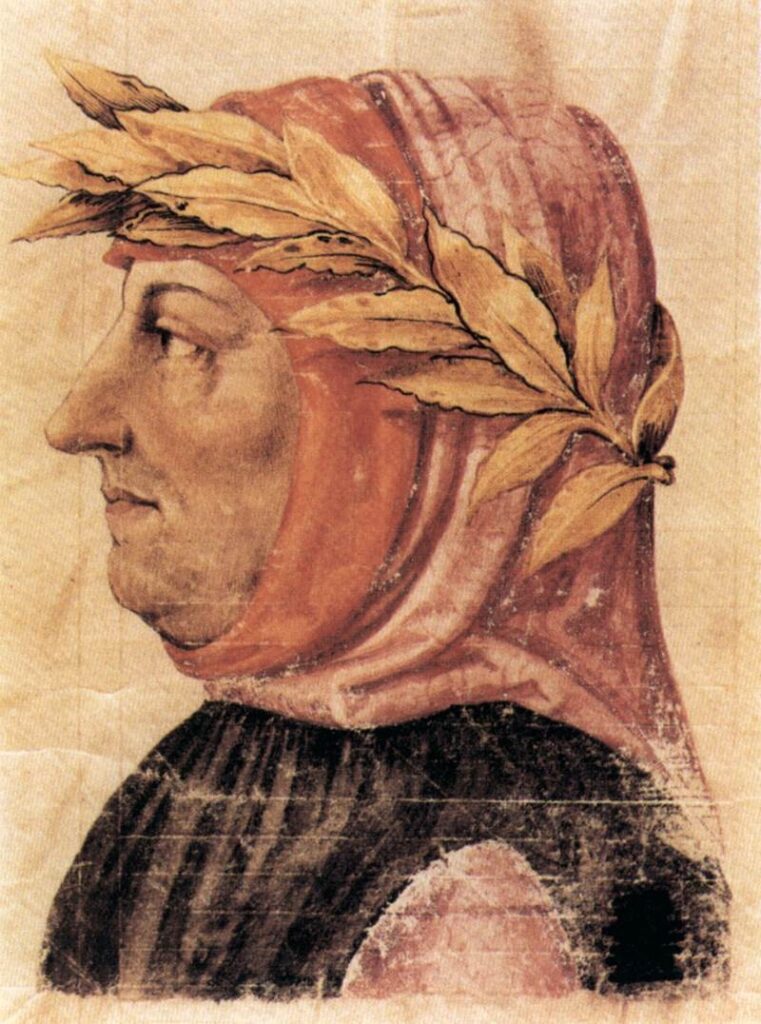
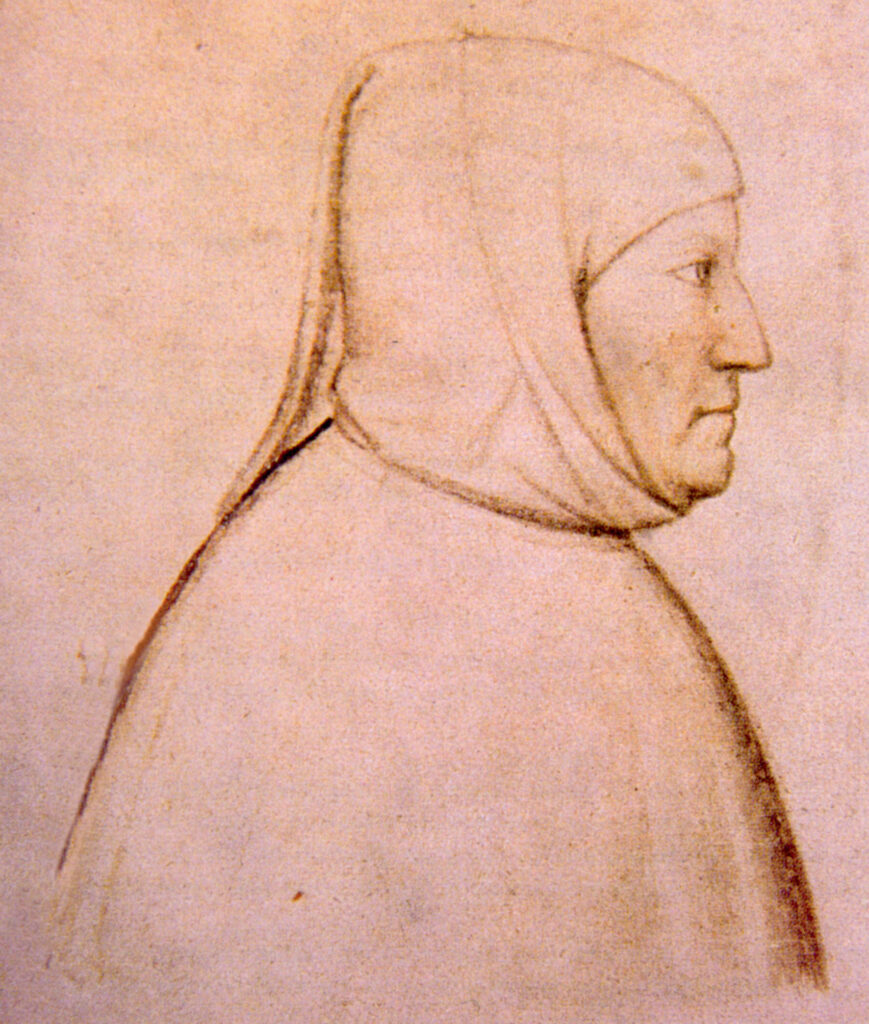
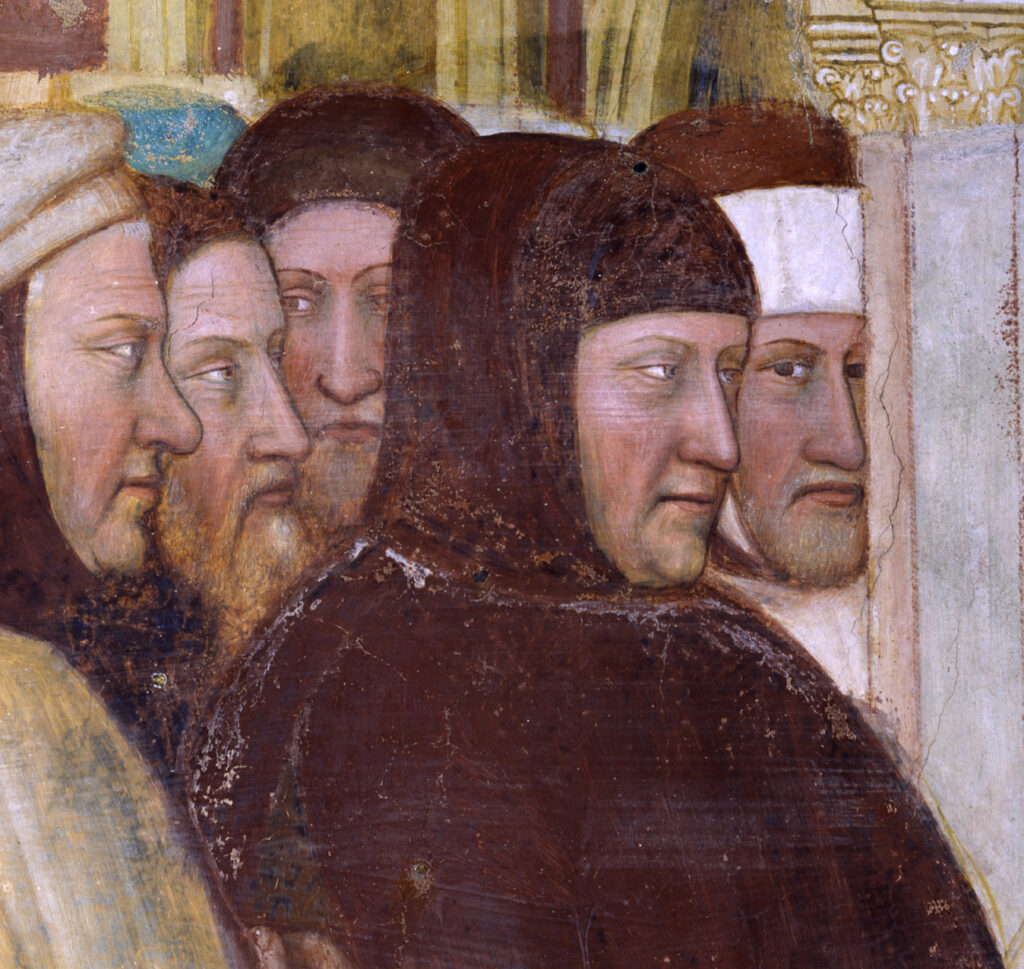
Portrait by Altichiero, c. 1370–1380

Altichiero, Ritratto di Francesco Petrarca (in primo piano) e di Lombardo della Seta, particolare tratto dall’affresco rappresentante l’episodio di San Giorgio battezza re Servio di Cirene, Oratorio di San Giorgio, 1376, Padova.

“Petrarch: Canzoniere and Trionfi,” c. 1463, Manuscript (Plut. 141. 1.), Biblioteca Medicea Laurenziana, Florence

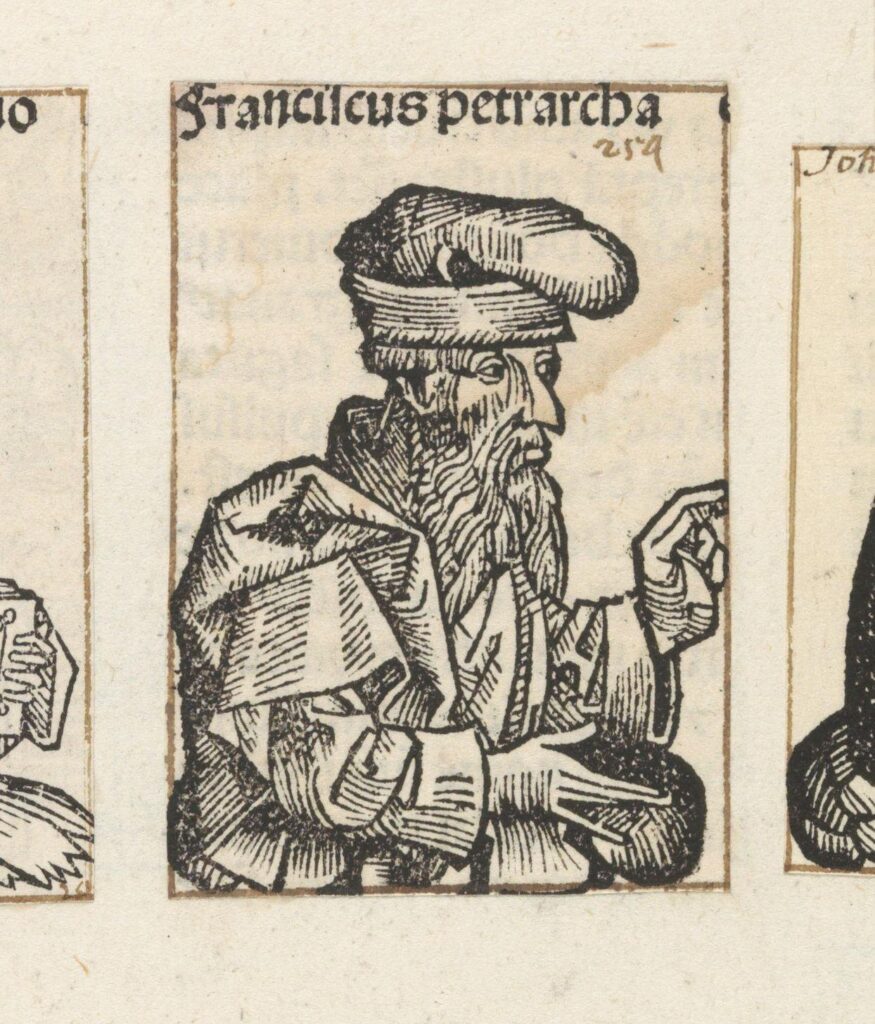
“Francesco Petrarca,” From the workshop of Michel Wolgemut, 1493, Print, Rijksmuseum, Amsterdam

“Een bloemkelk met een man met omgevouwen muts. De tekst identificeert de man als Francesco Petrarca. De prent maakt deel uit van een album.”

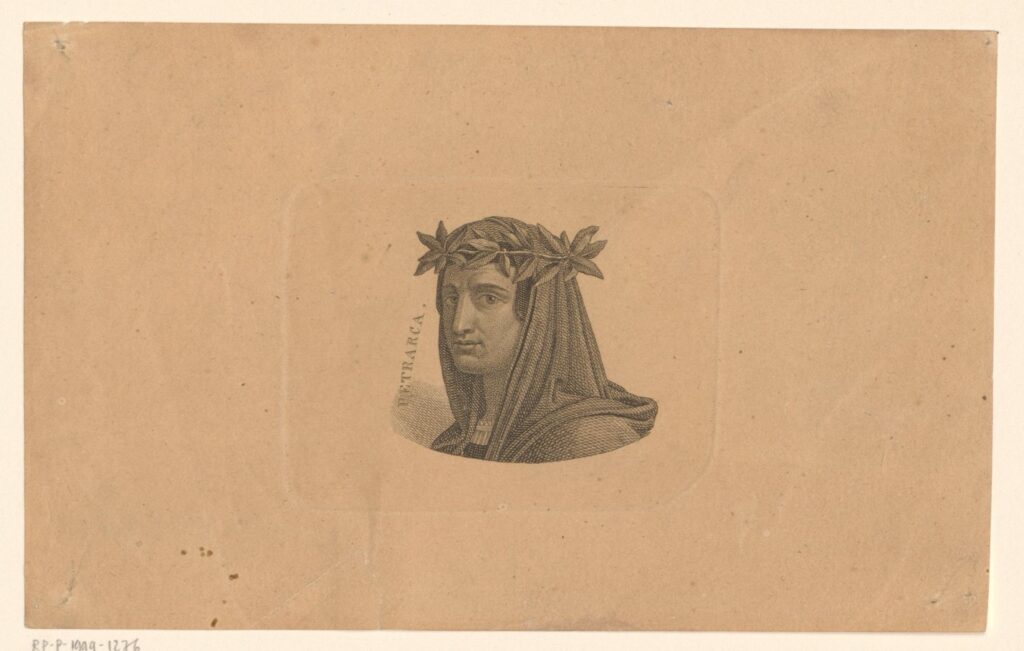
Portret van Francesco Petrarca, print, Rijksmuseum, Amsterdam

Ernst Ludwig Riepenhausen, 1775 – 1840

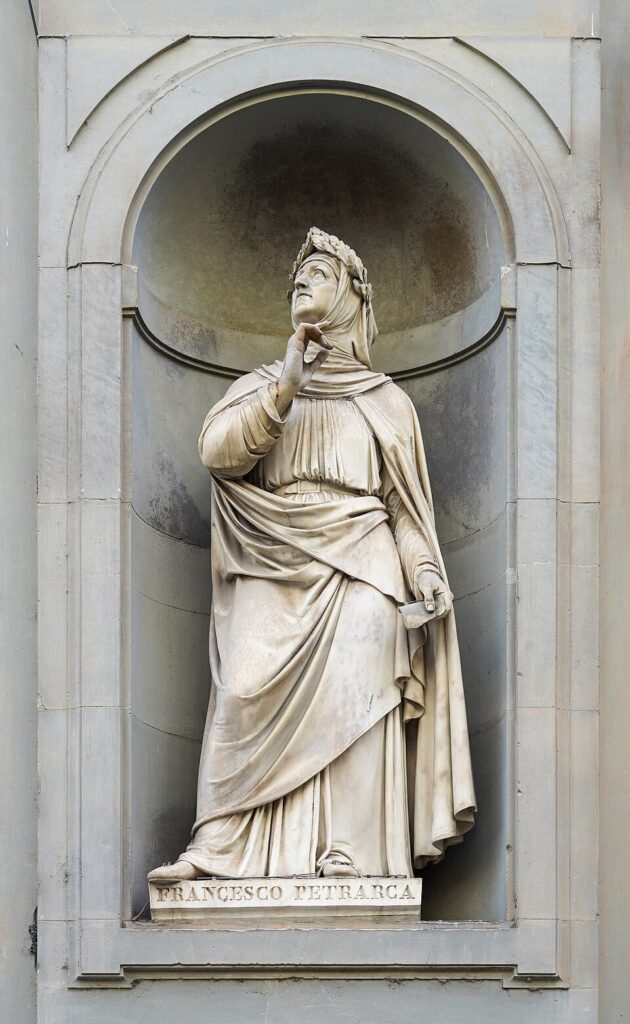
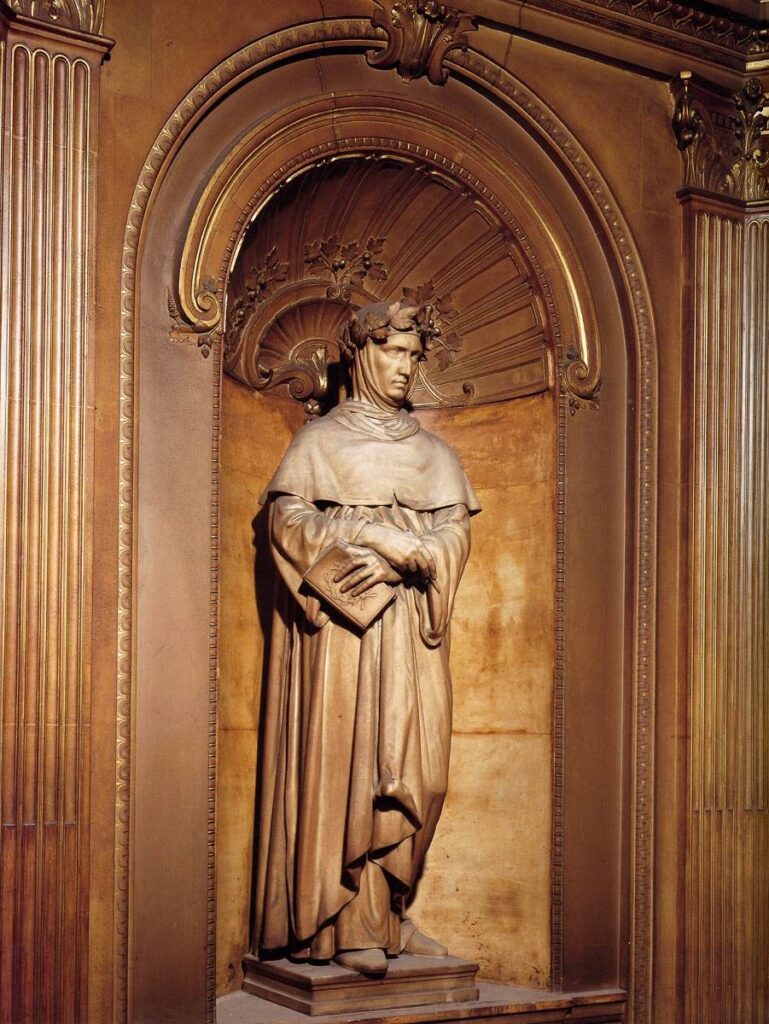
Statue of Petrarch, Uffizi Palace, Florence, Italy.

Louis-Léon Cugnot, “Petrarch,” 1865, Marble, Hôtel de Païva, Paris

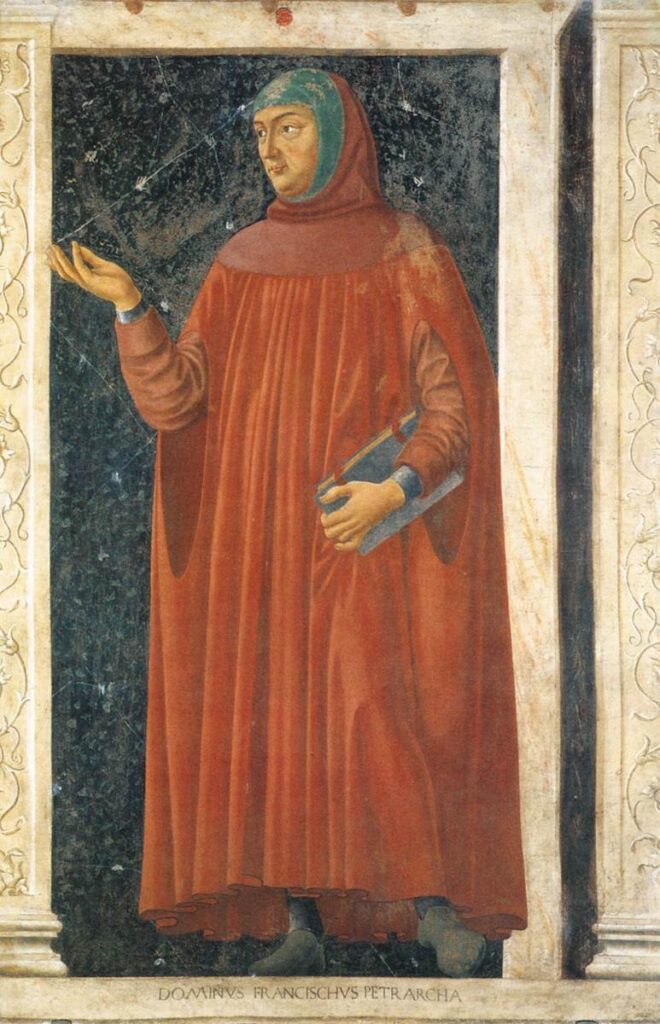
Andrea del Castagno,  “Francesco Petrarca,” particolare del Ciclo degli uomini e donne illustriaffresco, 1450, Galleria degli UffiziFirenze.

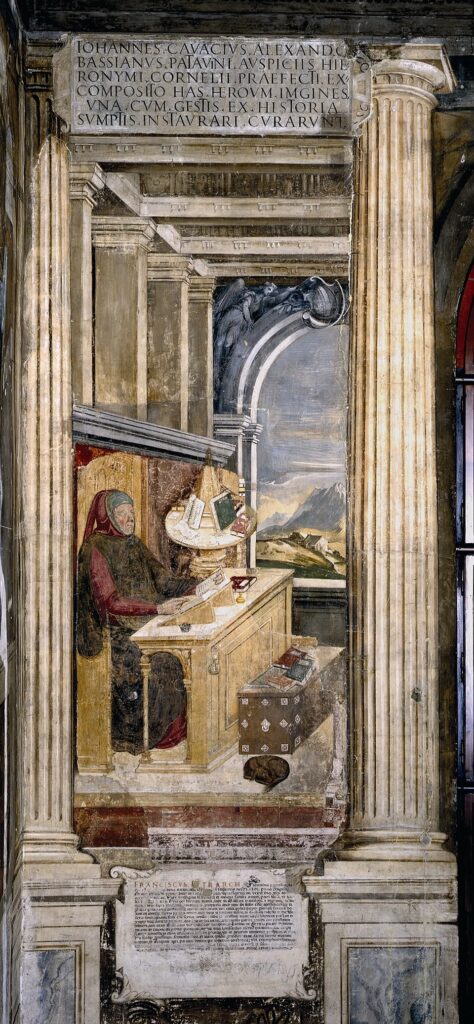
Anonimo, Francesco Petrarca nello studium, affresco murale, ultimo quarto del secolo XIVReggia Carrarese, Sala dei Giganti, Padova.

https://commons.wikimedia.org/wiki/File:Francesco_Petrarca_nello_studio.JPG

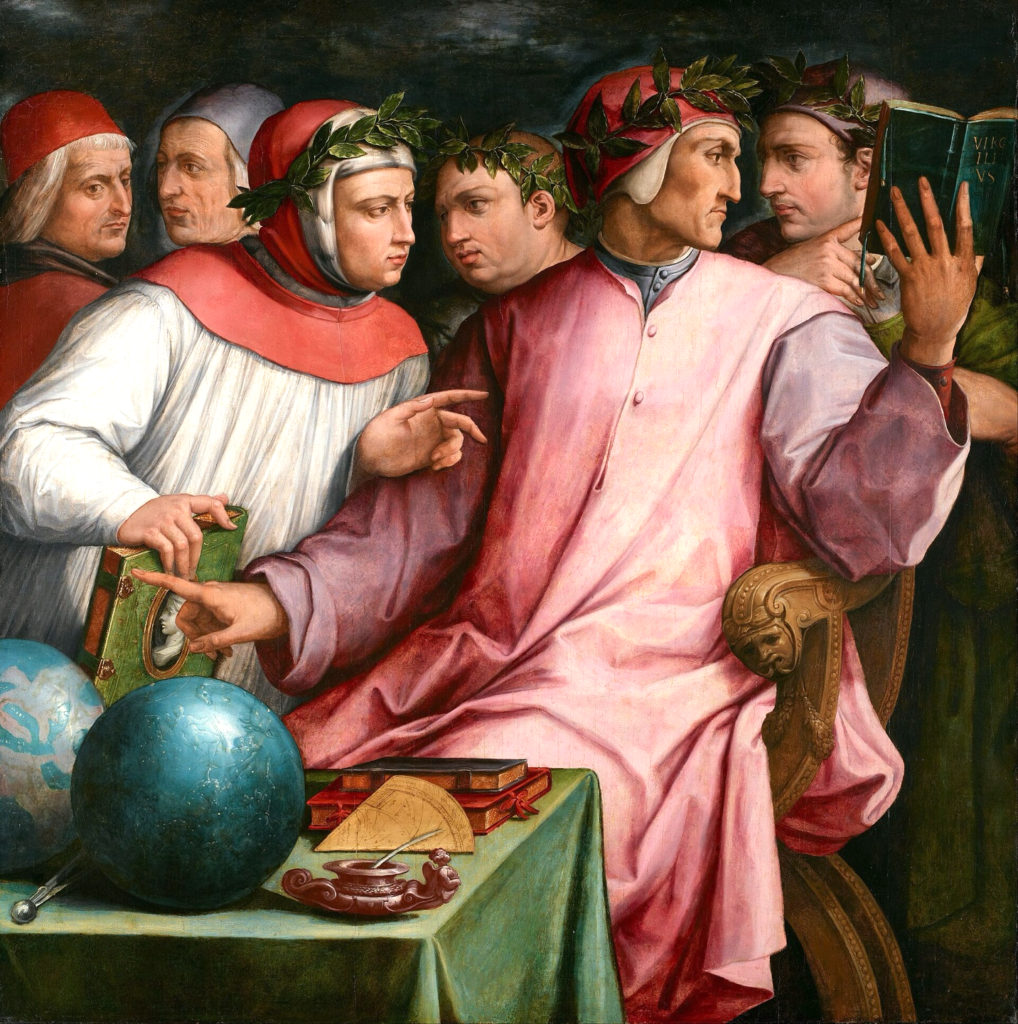
“Ritratto di sei poeti toscani,’ (Six Tuscan Poets), Giorgio Vasari, 1543-44, MIA, Minneapolis.

https://collections.artsmia.org/art/1850/six-tuscan-poets-giorgio-vasari

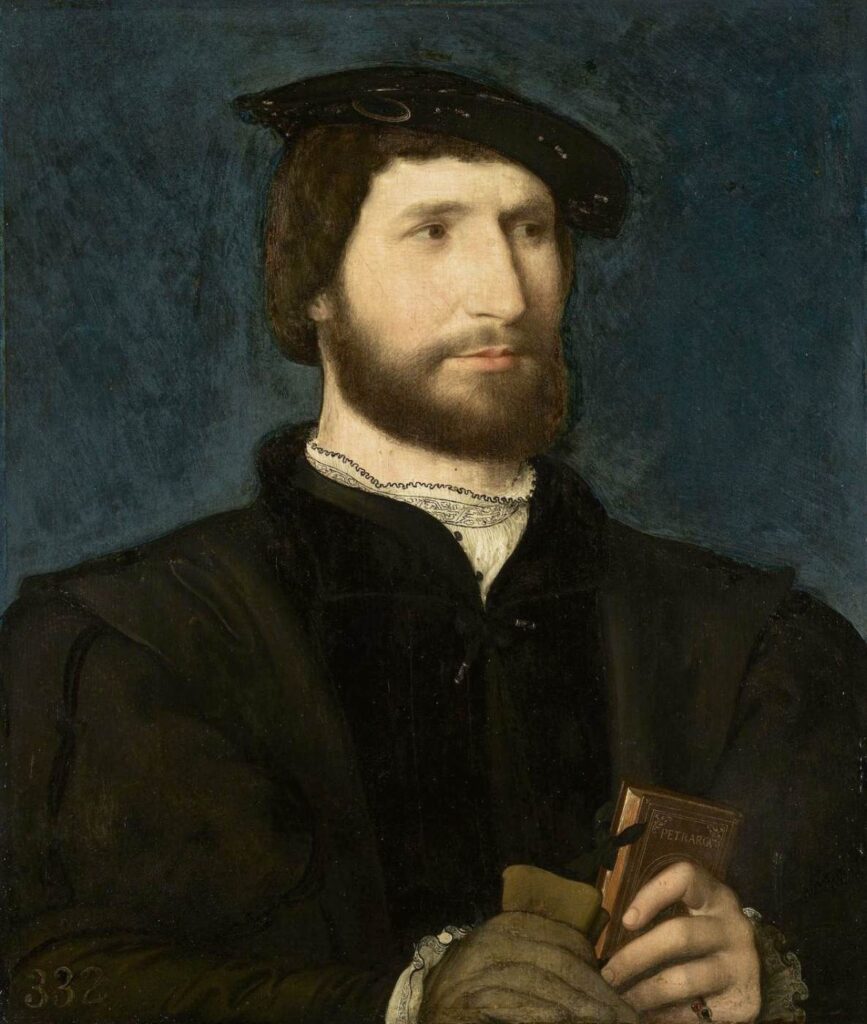
Clouet, Jean, “Portrait of a Man Holding a Volume of Petrarch,” 1530-35, Oil on oak panel, National Gallery of Scotland, Edinburgh

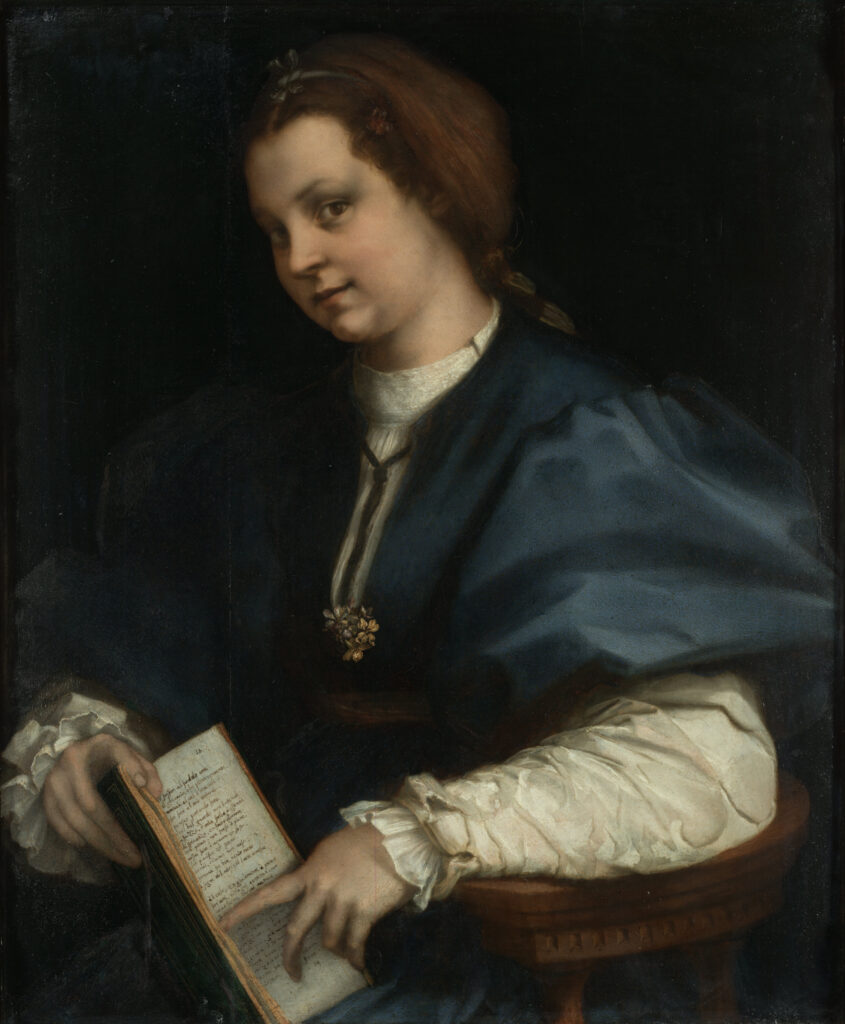
Andrea del Sarto, Dama col petrarchinoolio su tela, 1528, Galleria degli UffiziFirenze.

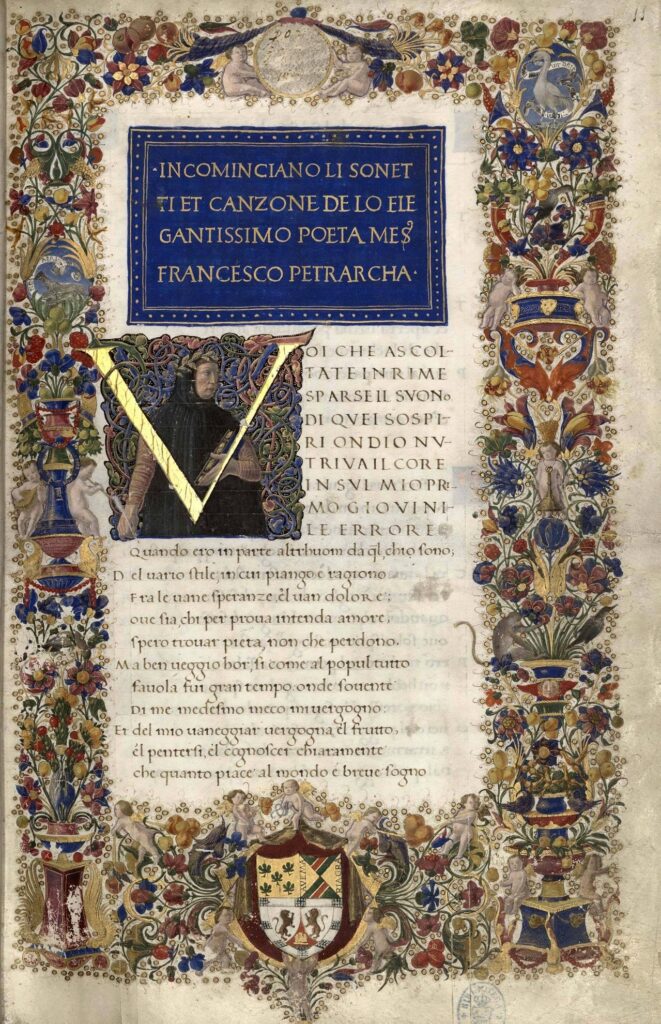
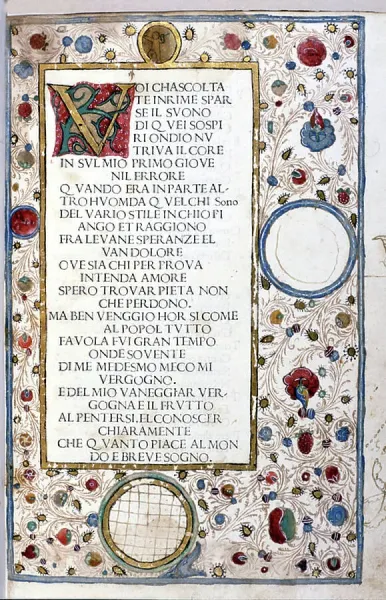
Francesco Petrarca, Rime, codice membranaceo ms. I 12, c. 1r. conservato al Museo Petrarchesco Piccolomineo, Trieste, risalente ai secoli fine XV, inizio XVI.

Canzoniere, Manuscript of Florentine school (manu Matthaei domini Herculani de Vulterris) of Petrarca’s works. Made for the first duke of Urbino, Federico III da Montefeltro (1444-1482). Contains the Rime and the Trionfi. BNE Vitr. 22/1

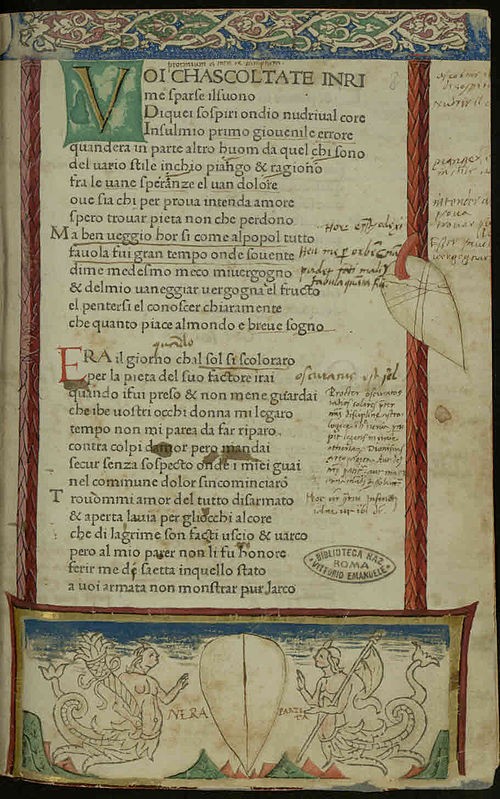
“Il Canzoniere,” Petrarch or Francesco Petrarca, Padua 1493

Petrarca, Canzoniere. Canzoniere. Segue: Trionfi. – [Venezia] : Vindelinus, MCCCCLXX.

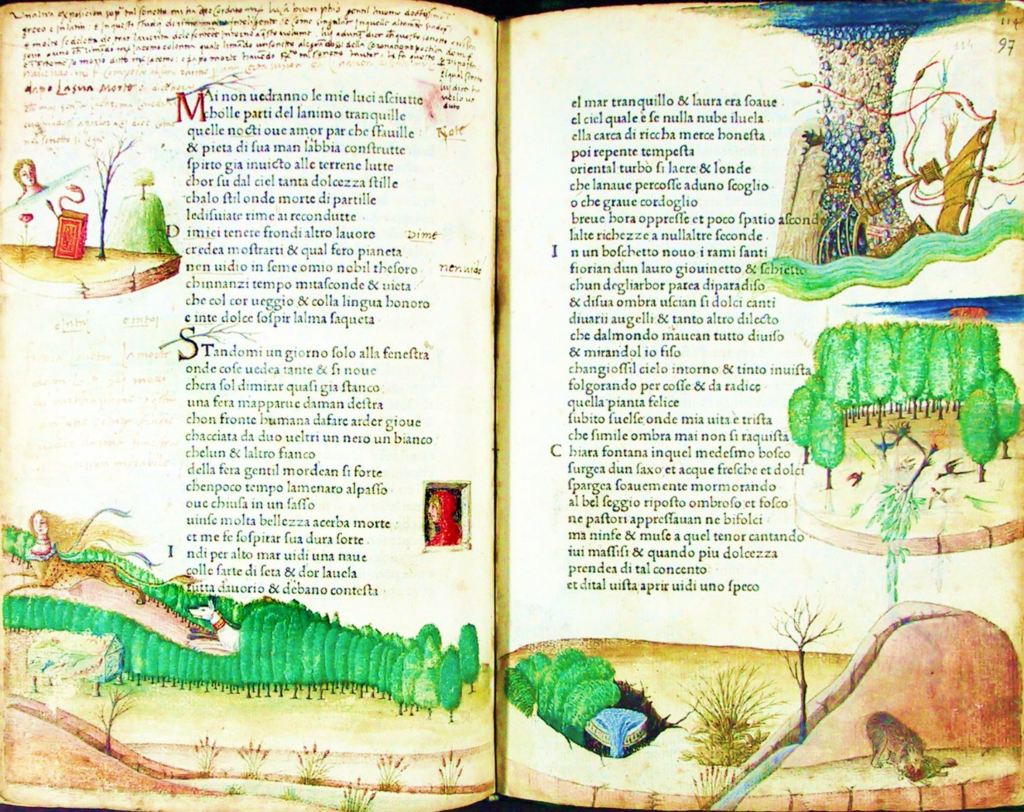
Queriano, Two printed pages with the beginning of Petrarch’s Canzone 323, Standomi Un Giorno, along with commentary and illustrations which were added later. Petrarch is depicted at his window, overlooking the first of his six visions. Others are also depicted.

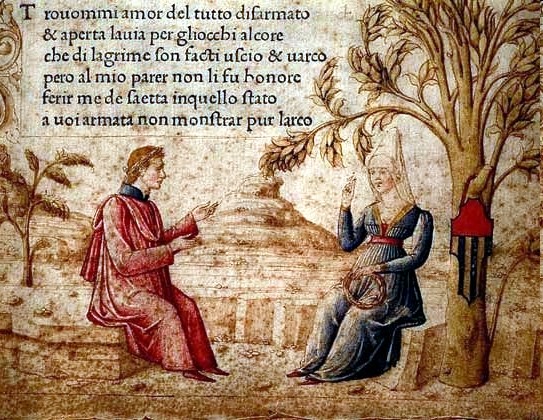
Laura e Petrarca, miniatura dal Canzoniere, 14-15c,

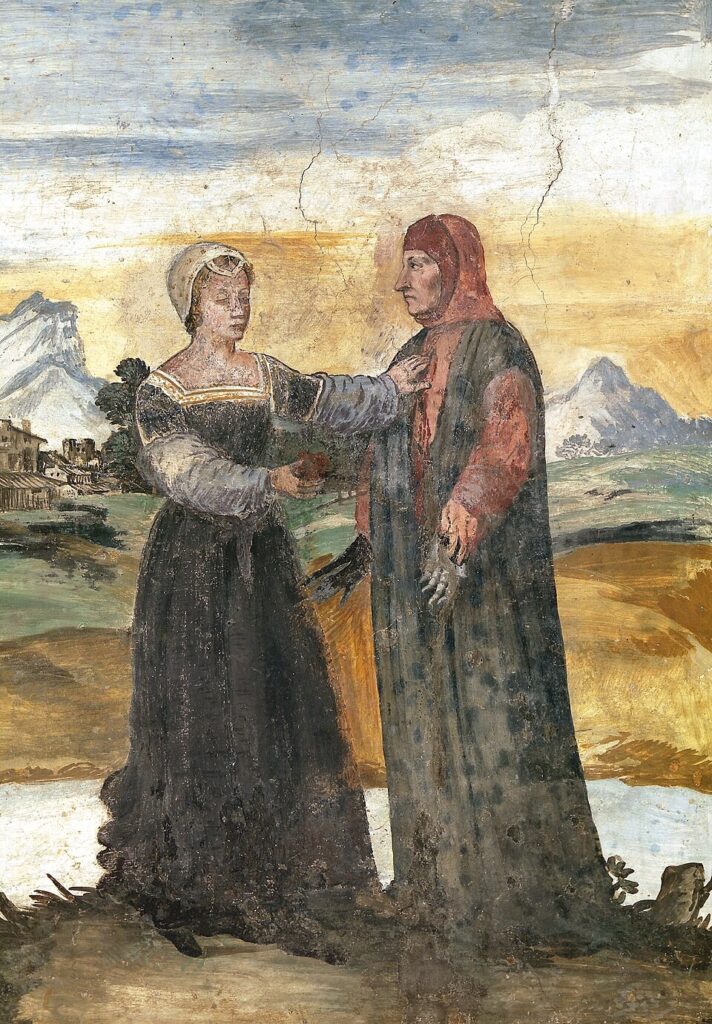
“ Laura e il Poeta, Laura strappa il cuore a Petrarca,” affresco tratto da un verso del Canzoniere, conservato nella Casa di Francesco Petrarca.

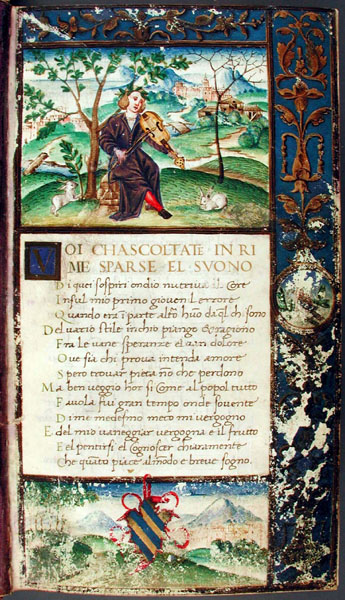
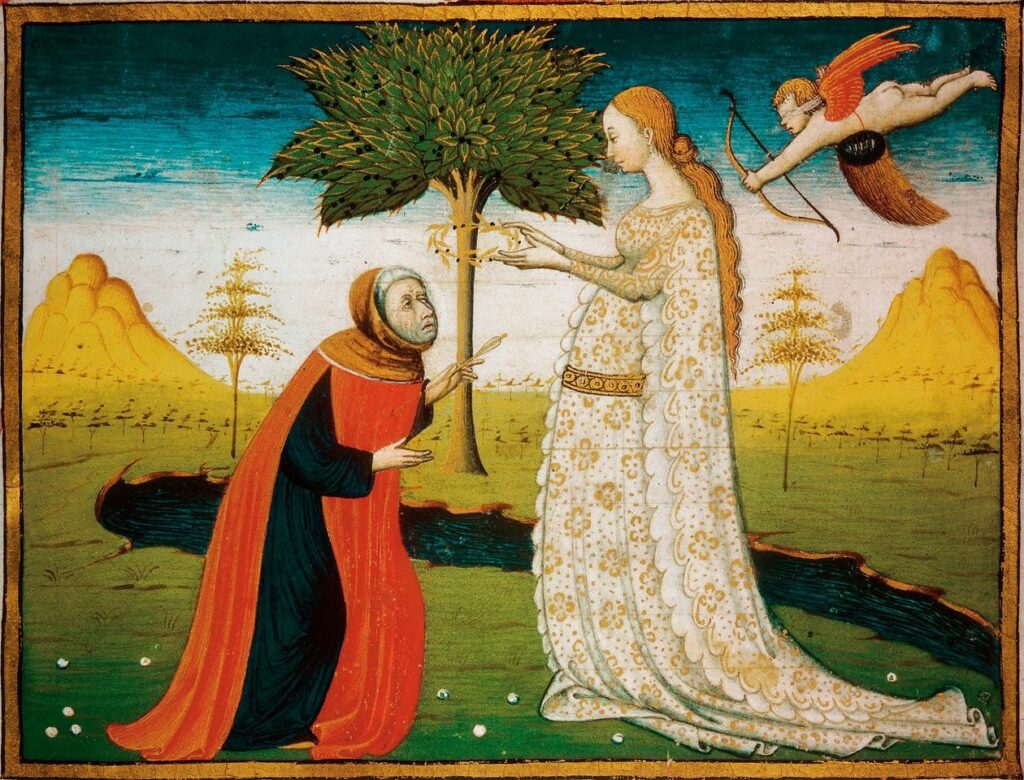
Biblioteca Laurenziana Ashb. 1263, f. 7r. Page 11 Petrarca hit by Cupid’s arrow and wearing a laurel crown, introduction to the sonnet You who hear the sound, in scattered rhymes, from Trionfi by Francesco Petrarca (1304-1374), illuminated page from a 15th century manucript. Florence. Biblioteca Medicea Laurenziana (Laurentian Library).

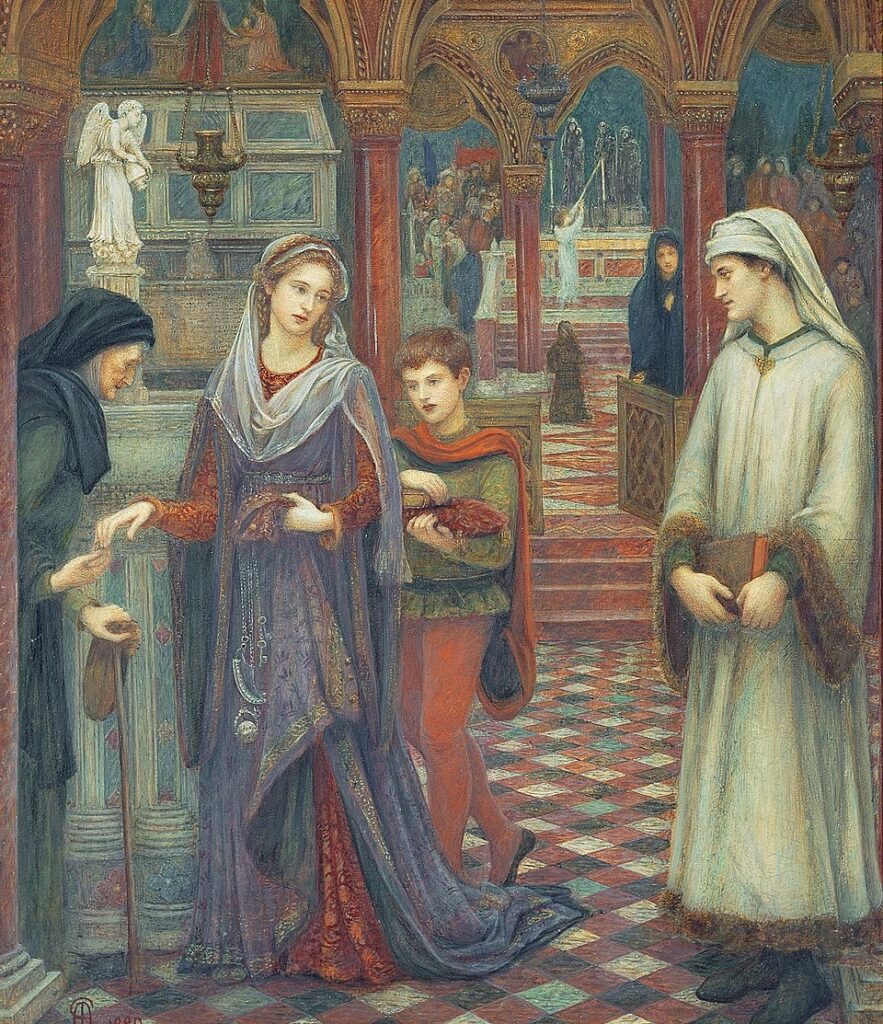
Marie Spartali Stillman, “The First Meeting of Petrarch and Laura,” watercolor and gouache, 1889.

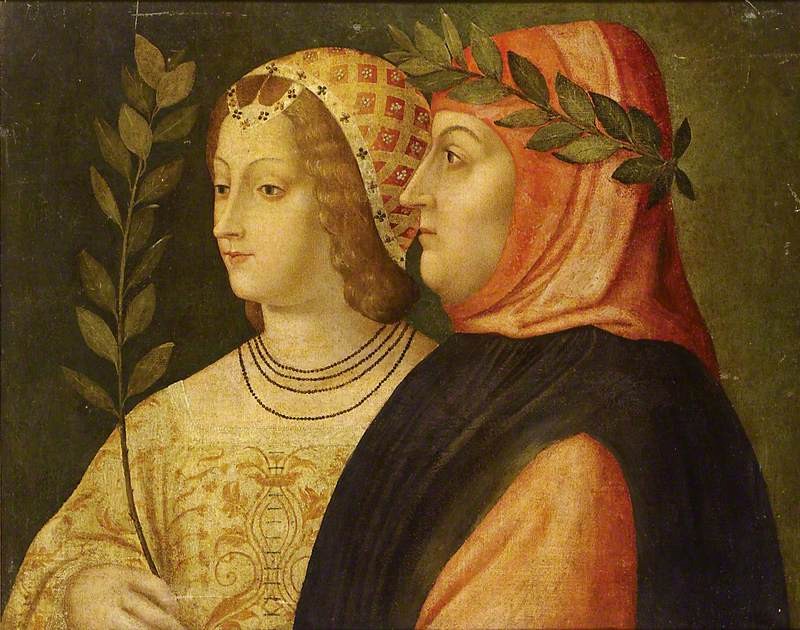
“Petrarch and Laura de Noves,” Italian School, The Ashmolean Museum of Art and Archaeology;

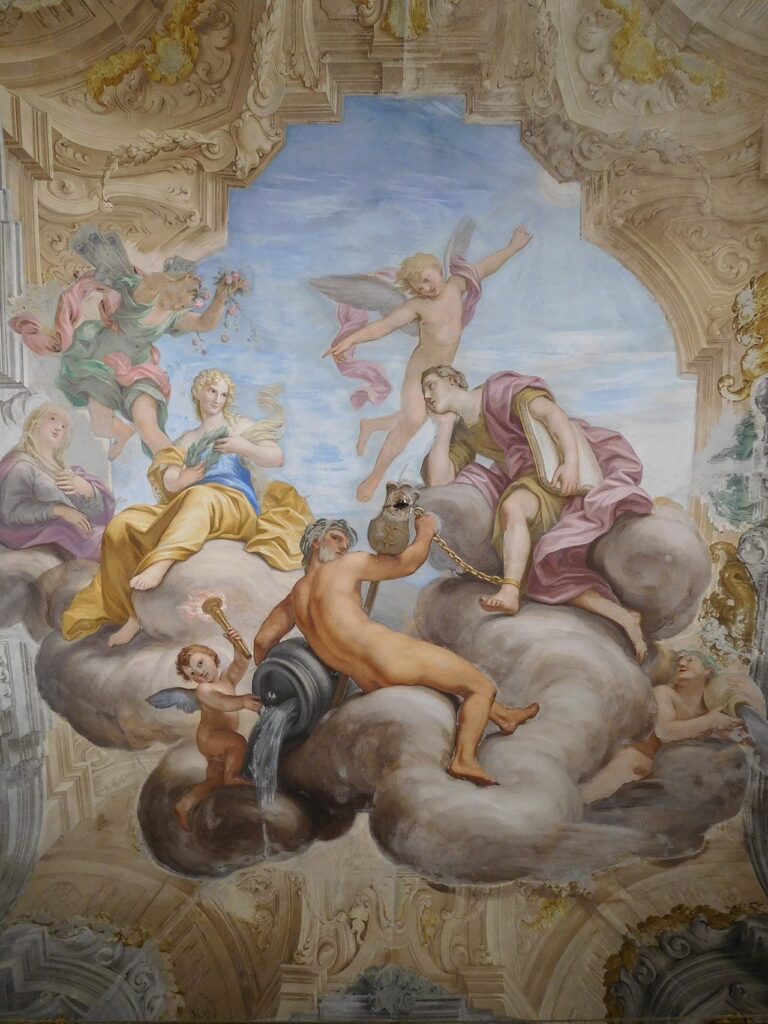
Petrarch, chained by the personification of the Font of Vaucluse, contemplates Laura, to whom Love points.

Palazzo Nicolò Spinola di Luccoli (o Franzone Spinola), GenovaPetrarca, incatenato alla personificazione della Fonte di Valchiusa, contempla Laura, indicata da Amore. Allegoria di Inizio Settecento dipinta da Parodi per una sede dell’Arcadia Genovese.”

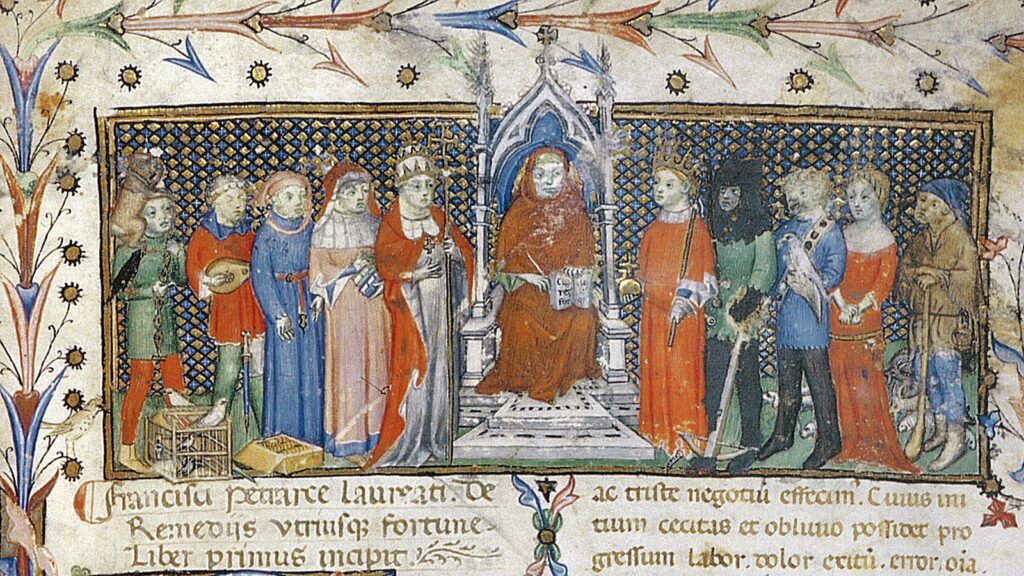
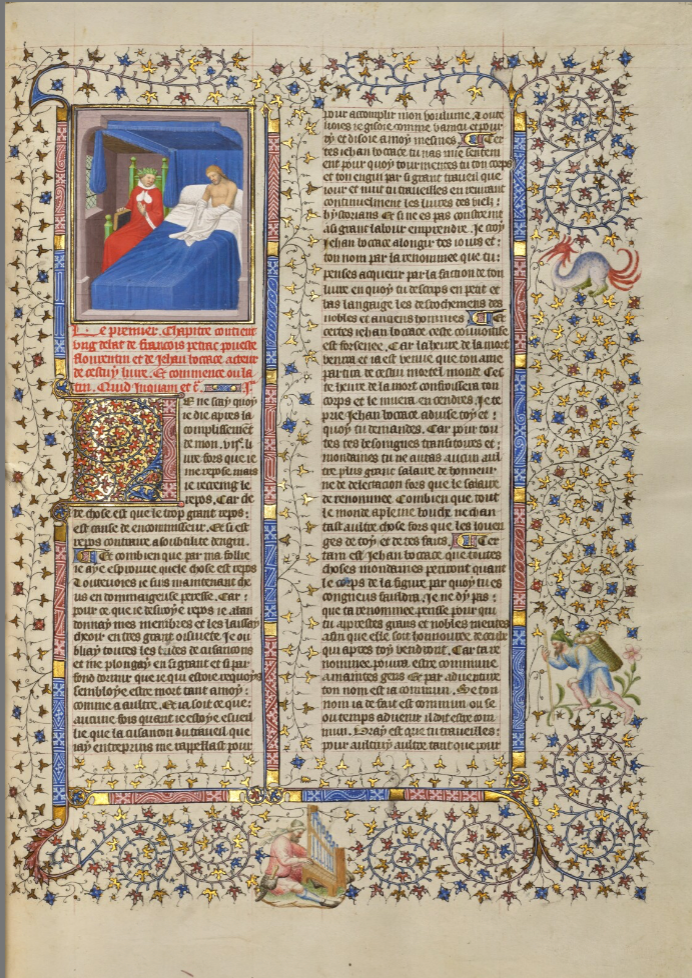
Foglio manoscritto riportante il De Remediis Utriusque Fortune di Francesco Petrarca, databile intorno al 1400 e conservato attualmente nella Biblioteca Nazionale Braidense, MS AD XIII 30.

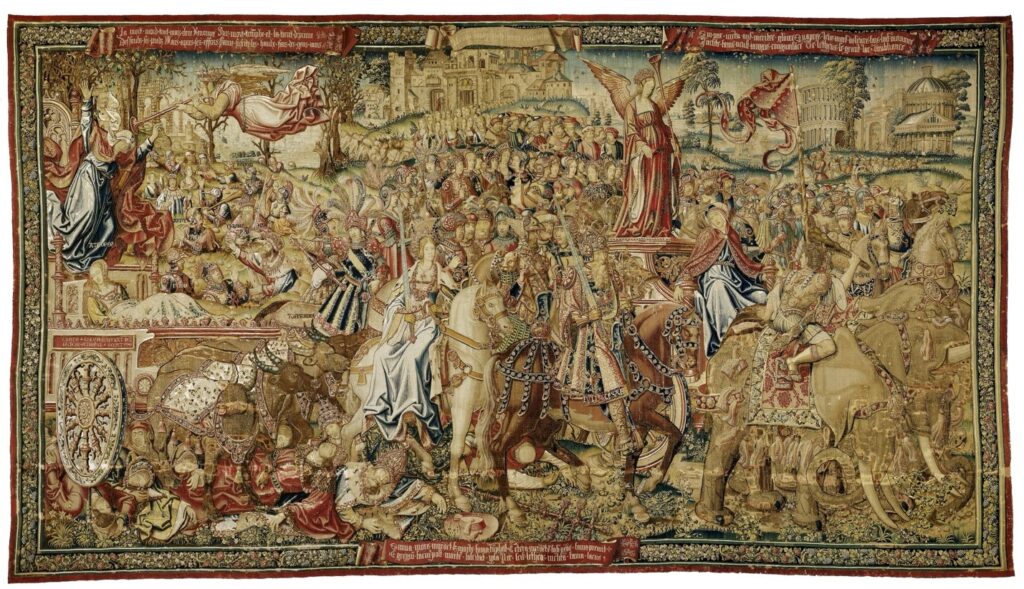
“Trimf van de faam overde dood” (The Triumph of Fame over Death)

 Anonymous, c.1510-c.1525, Tapestry, Rijksmuseum, Amsterdam

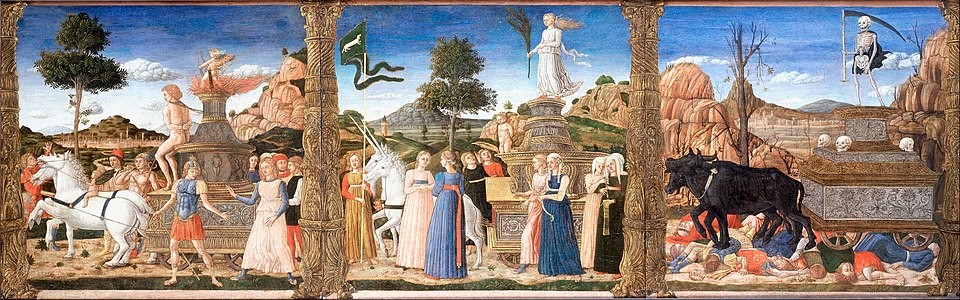
Girolamo da Cremona, “The Triumphs of Petrarch,” c.1500, Oil on panel, Denver Art Museum

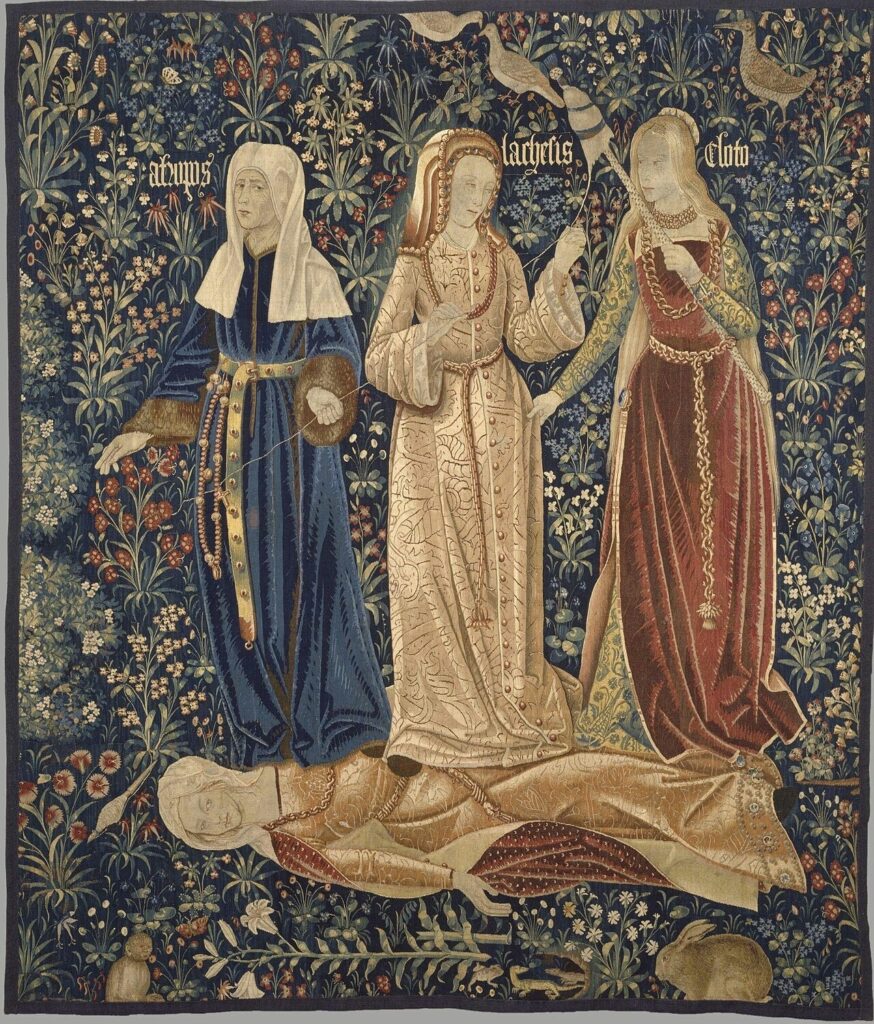
“The Triumph of Death, or The 3 Fates,” Flemish tapestry (probably Brussels, c. 1510–1520), Victoria and Albert Museum, London. “The three Fates, Clotho, Lachesis and Atropos, who spin, draw out and cut the thread of life, represent Death in this tapestry, as they triumph over the fallen body of Chastity.”
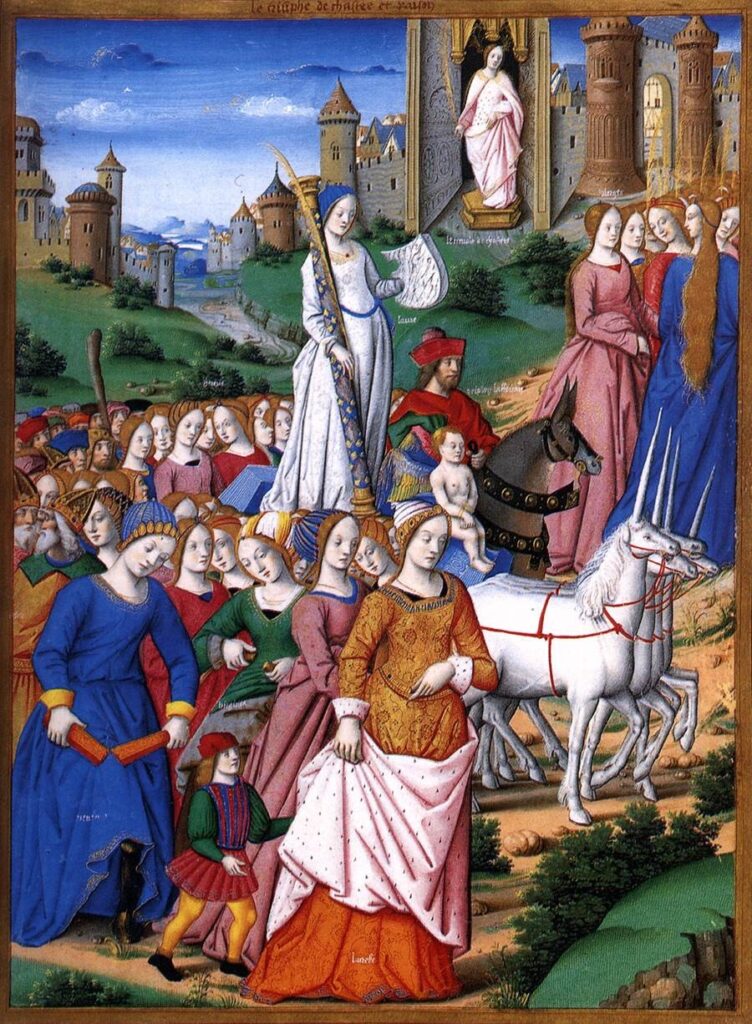
“Petrarch: Triumphs,” 1503, Manuscript (Ms. français 594), Bibliothèque Nationale, Paris

“Boccaccio’s Vision of the Laurel-Crowned Petrarch”